Planning to get married legally in the Caribbean sounds like a dream. The turquoise water, the warm breeze, the barefoot ceremony at sunset. But behind that picture-perfect vision is a real legal process that varies by island, and US couples are often caught off guard by the paperwork, waiting periods, and jurisdiction-specific rules. This guide breaks down exactly what you need to know: which documents to gather, how residency rules differ across popular destinations, and how to make sure your marriage is fully recognized when you get back home.
Table of Contents
- Key takeaways
- How to get married legally in the Caribbean: the documents you need
- Residency rules and waiting periods by island
- The step-by-step marriage process in the Caribbean
- Common mistakes couples make with Caribbean wedding legalities
- Marriage equality and special legal circumstances
- My honest take on making this work
- Let Aisle + Away Travel Co handle the legal details
- FAQ
Key takeaways
| Point | Details |
|---|---|
| Documents vary by island | Most islands require a passport, birth certificate, and divorce or death certificates if applicable. |
| Residency rules differ widely | Some islands need zero residency; others require you to arrive days before applying for a license. |
| Symbolic vs. legal ceremonies | A symbolic ceremony is not legally binding. Confirm your ceremony type before booking. |
| Same-sex marriage access is limited | Only certain destinations like the US Virgin Islands legally recognize same-sex marriage. |
| Correct process = valid US recognition | Following proper local procedures means your Caribbean marriage certificate is internationally recognized. |
How to get married legally in the Caribbean: the documents you need
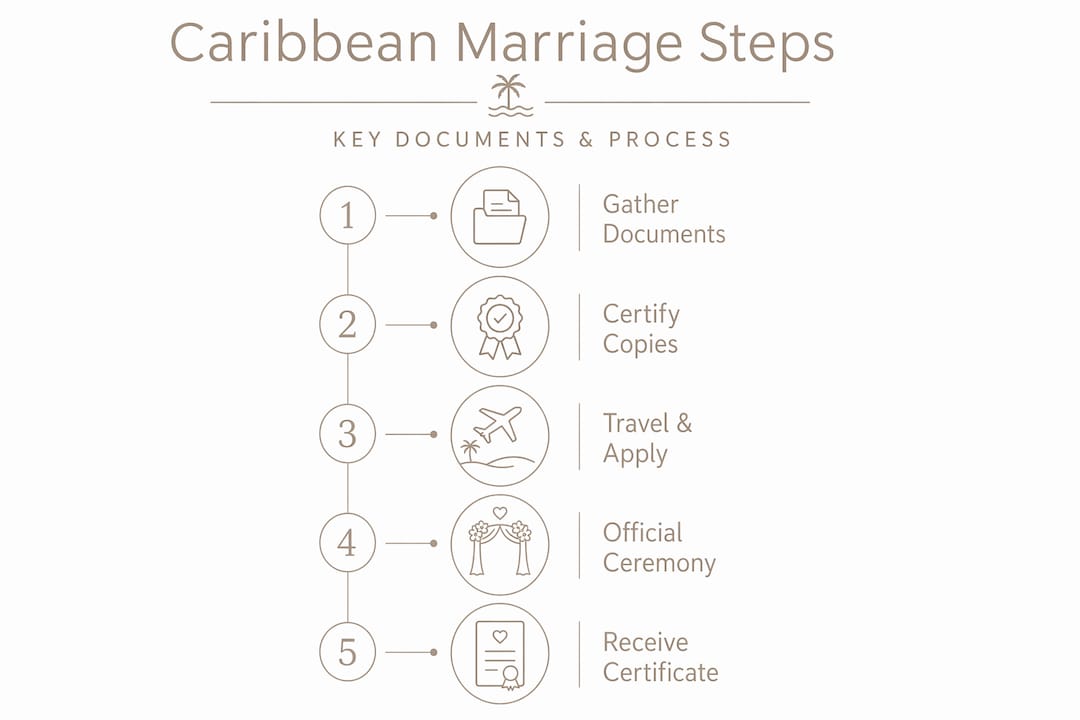
Before you book flights or choose a venue, you need to understand what paperwork makes a Caribbean marriage legally binding. Most Caribbean destinations require a valid passport, original birth certificates for both partners, and divorce decrees or death certificates if either of you has been previously married. These are non-negotiable across nearly every island.
Beyond the basics, some islands add a few more layers:
- Affidavit of singlehood: Several jurisdictions require a sworn statement confirming you are legally free to marry. This document typically needs to be notarized before you leave the US.
- Certified copies: Photocopies are rarely accepted. Bring certified copies of every document, and in some cases, apostille-stamped versions to verify authenticity.
- Translated documents: If any of your documents are not in English, you will need official translations. Most English-speaking Caribbean islands conduct their legal processes in English, but confirm with your specific destination.
- Age verification: Most islands set the legal marriage age at 18 without parental consent. Some allow marriages at 16 or 17 with documented parental approval.
- Witnesses: Nearly every Caribbean island requires two adult witnesses present at the ceremony. These can be guests, resort staff, or your wedding coordinator.
Pro Tip: Get at least three certified copies of each document before you travel. Islands can and do request originals, and having extras prevents delays if something is lost or questioned.
The document list sounds manageable, but the real complexity comes from timing. Getting documents apostilled or notarized in the US can take one to three weeks depending on your state. Build that time into your planning calendar well before your travel date.
Residency rules and waiting periods by island
This is where Caribbean marriage requirements get genuinely complicated. Each island operates under its own legal system, which means residency rules and waiting periods are not standardized. Knowing these details before you book your travel dates can save you from a stressful scramble at the registry office.
Here is a comparison of how popular destinations handle residency and timing:
| Island | Minimum Residency | Document Submission | Notes |
|---|---|---|---|
| Bahamas | None required | A few days before | Straightforward process for US couples |
| Barbados | None required | In advance | No minimum residency makes it accessible |
| Jamaica | 24 to 48 hours | Up to 6 weeks ahead | Leading Caribbean wedding destination with resort support |
| Saint Lucia | None (same-day license) or 2 days | Varies by license type | Same-day license available with specific documents and fees |
| British Virgin Islands | 3 days before application | Several weeks ahead | BVI requires one party present 3 days prior for Special License |
Jamaica deserves a special mention here. It is the leading Caribbean wedding destination for US couples, with a well-developed legal infrastructure and strong partnerships between the tourism board and resorts. If you are considering Jamaica, the 24 to 48 hour residency requirement is easy to meet, but the document submission timeline of up to six weeks in advance means you cannot leave the paperwork until the last minute.
Pro Tip: If you want the most flexibility, Barbados and the Bahamas are the easiest destinations for US couples from a residency standpoint. If you have your heart set on another island, contact the local civil registry office directly to confirm current requirements, as rules do change.
Saint Lucia offers a particularly appealing option for couples who want to keep things simple. The same-day marriage license means you can arrive and legally marry without a prior residency period, as long as you have all your documents in order. That said, fees and specific document requirements apply, so confirm the details with your resort coordinator or a local wedding planner ahead of time.
The step-by-step marriage process in the Caribbean
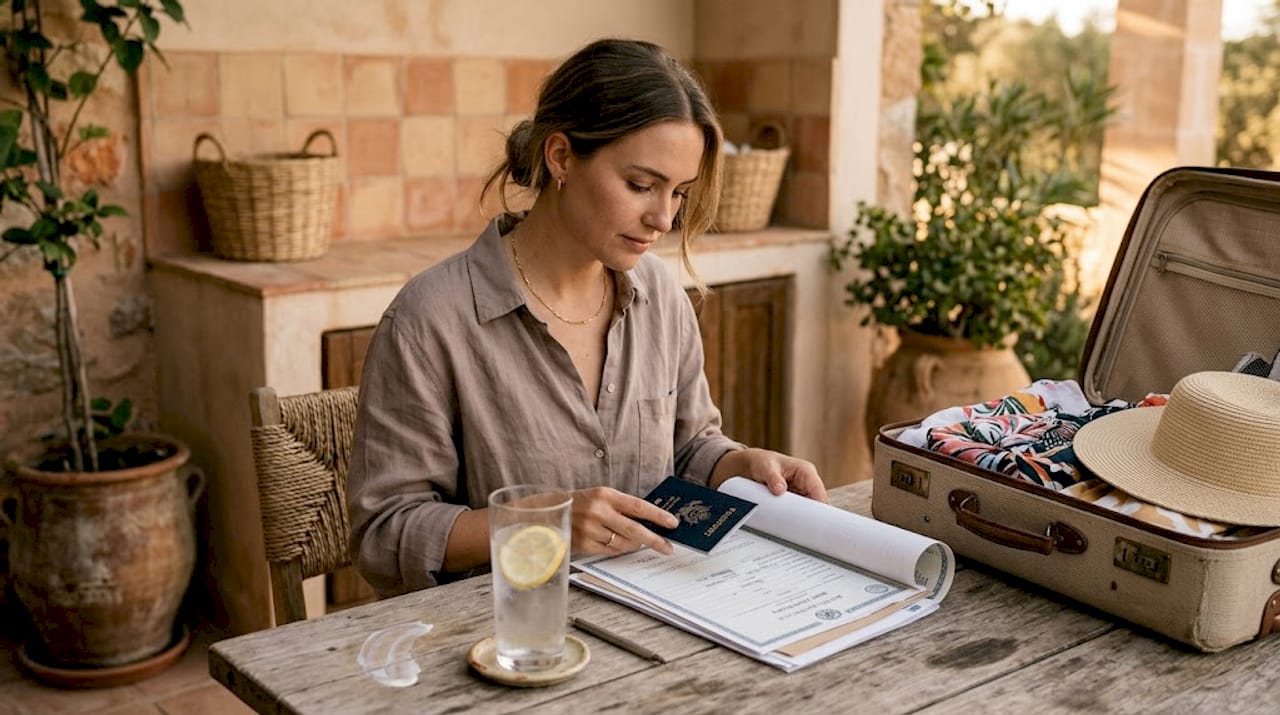
Once your documents are ready and your travel dates align with the residency rules, here is how the actual marriage process in the Caribbean typically works:
- Submit your documents in advance. Send certified copies of all required documents to the local civil registry or judicial department of your chosen island. Some resorts handle this on your behalf, which is a significant advantage.
- Arrive and meet residency requirements. If your island requires a minimum stay before your license application, plan your arrival date accordingly. Do not assume you can arrive the day before the ceremony.
- Apply for your marriage license. Visit the civil registry office or equivalent government office in person. Some islands allow written applications through a local attorney or wedding coordinator. Bring originals of all documents.
- Book your appointment. Many islands require a scheduled appointment at the registry office. Walk-ins are often not accepted. Your resort coordinator or local planner can help secure this slot.
- Confirm your officiant’s credentials. Your ceremony must be performed by a legally recognized officiant. This could be a justice of the peace, a licensed marriage officer, or a religious minister registered with the local government. Ask for their credentials in writing.
- Hold the ceremony with witnesses present. Both witnesses must be adults and physically present during the ceremony. They will sign the marriage register along with you, your fiancé, and the officiant.
- Receive your official marriage certificate. After the ceremony, the civil registry issues your official certificate. This may take a few days. Confirm the timeline with the registry so you know whether you will receive it before you fly home or whether it will be mailed to you.
Pro Tip: Ask your resort or local coordinator to connect you with a Caribbean wedding legal specialist or licensed local attorney. They know the exact current requirements and can flag any missing documents before your ceremony date.
Once you are back in the US, your Caribbean marriage certificate should be accepted without additional steps. Properly completed legal procedures mean your certificate carries full legal weight. You may need to present it to the Social Security Administration or your state’s vital records office to update your name or records, but the marriage itself is valid.
Common mistakes couples make with Caribbean wedding legalities
Even well-organized couples run into problems. Here are the most common pitfalls and how to sidestep them:
- Booking a symbolic ceremony without realizing it is not legal. Many couples choose symbolic ceremonies for their destination event and handle the legal marriage separately at home. This is a perfectly valid choice, but you need to make that decision consciously. If you want the Caribbean ceremony to be your legal marriage, confirm explicitly with your resort or planner that the ceremony is legally binding.
- Submitting documents too late. Some islands require paperwork up to six weeks before your wedding date. Missing that window can mean postponing the ceremony or scrambling for alternatives.
- Bringing photocopies instead of certified originals. Registry offices will turn you away. Certified copies with apostille stamps are the standard for international legal documents.
- Overlooking jurisdictional differences. What applies in Jamaica does not apply in Barbados. Research your specific island, not just “the Caribbean” as a region.
- Not verifying your officiant’s legal standing. If your officiant is not registered with the local government, your marriage may not be legally valid, regardless of how beautiful the ceremony was.
- Skipping the post-return verification step. Once home, update your Social Security records, passport, and any financial accounts that require your legal name. Your Caribbean marriage certificate is the document that makes all of that possible.
Working with an experienced destination wedding travel agent or resort coordinator who specializes in Caribbean weddings removes most of these risks. They know the current requirements, maintain relationships with local registries, and can catch documentation gaps before they become problems.
Marriage equality and special legal circumstances
Same-sex marriage recognition is one area where Caribbean wedding legalities vary sharply, and it is something every couple deserves to know before choosing a destination.
- US Virgin Islands (St. Thomas, St. Croix, St. John): Same-sex marriage is fully legal here, and US citizens do not need a passport to enter since it is a US territory. This makes it one of the most accessible Caribbean destinations for same-sex couples.
- Most other Caribbean nations: Same-sex marriage is not legally recognized in the majority of Caribbean countries. This includes popular destinations like Jamaica, the Bahamas, and Barbados.
- Symbolic ceremonies as an alternative: Same-sex couples who want a Caribbean setting but cannot legally marry there often opt for a symbolic ceremony at their chosen destination and complete the legal marriage in the US before or after travel.
- Research current laws: Laws do change. Always verify the current legal status for same-sex marriage in your specific destination before booking, using official government sources or a legal advisor familiar with that jurisdiction.
If you are in a same-sex relationship and want a legally binding Caribbean ceremony, the US Virgin Islands is currently your clearest option in the region. For other destinations, a symbolic ceremony paired with a legal marriage at home gives you the celebration you want without the legal uncertainty.
My honest take on making this work
I have worked with a lot of couples who come to me after they have already started planning, and the most common thing I hear is some version of “we had no idea it was this complicated.” The truth is, it does not have to be complicated if you start in the right order.
My biggest piece of advice: decide early whether you want the Caribbean ceremony to be your legal marriage or a symbolic celebration. Both are completely valid. But making that call early shapes every other decision, from which island you choose to how far in advance you need to submit documents.
I have seen couples pull off beautiful, fully legal beach weddings in Jamaica and Saint Lucia with zero drama because they gave themselves enough runway. I have also seen couples arrive without the right certified copies and spend their first vacation day at a government office trying to sort it out. The difference is almost always preparation time, not the destination itself.
Pairing a legal civil ceremony with a larger symbolic celebration is something I recommend often. You handle the paperwork at the civil registry with your two witnesses, then have the full ceremony with your guests on the beach. It keeps the celebration focused on the joy rather than the logistics.
Working with someone who knows the specific island requirements is not a luxury. It is the most practical thing you can do to protect your plans.
— Dana Braun
Let Aisle + Away Travel Co handle the legal details
Planning a destination wedding in the Caribbean involves a lot of moving parts, and the legal side is just one of them. At Aisle + Away Travel Co, we match you with the right resort, manage your guest logistics, and work directly with on-site coordinators who know the local marriage requirements inside and out.
You should not have to become an expert in Caribbean marriage law to have the wedding you want. Our destination wedding planning packages include guidance on documentation timelines, residency requirements, and legal ceremony coordination so nothing falls through the cracks. Whether you are leaning toward Jamaica, Saint Lucia, or somewhere else entirely, we help you understand your top destination options and handle the details that make your marriage legally valid from day one. Schedule a consultation and let us take it from here.
FAQ
What documents do I need to get married in the Caribbean?
Most Caribbean islands require a valid passport, original birth certificates, and divorce or death certificates if either partner was previously married. Some islands also require a notarized affidavit of singlehood.
Is a Caribbean marriage legally recognized in the US?
Yes. Caribbean marriage certificates are internationally recognized when you follow the local legal procedures correctly. You will use the certificate to update your records with US government agencies after returning home.
Which Caribbean island is easiest for US couples to marry legally?
The Bahamas and Barbados have no minimum residency requirements, making them among the simplest options. Saint Lucia also offers a same-day marriage license for couples who arrive with all required documents in hand.
Can same-sex couples get legally married in the Caribbean?
Same-sex marriage is legal in the US Virgin Islands, which also requires no passport for US citizens. Most other Caribbean nations do not legally recognize same-sex marriage, so same-sex couples often choose symbolic ceremonies at other destinations and marry legally in the US.
How far in advance should I start the Caribbean marriage paperwork?
Start at least three months before your wedding date. Document submission deadlines can be up to six weeks in advance, and getting certified copies and apostille stamps in the US can take several weeks on its own.
Recommended

May 24, 2026
Dana Braun